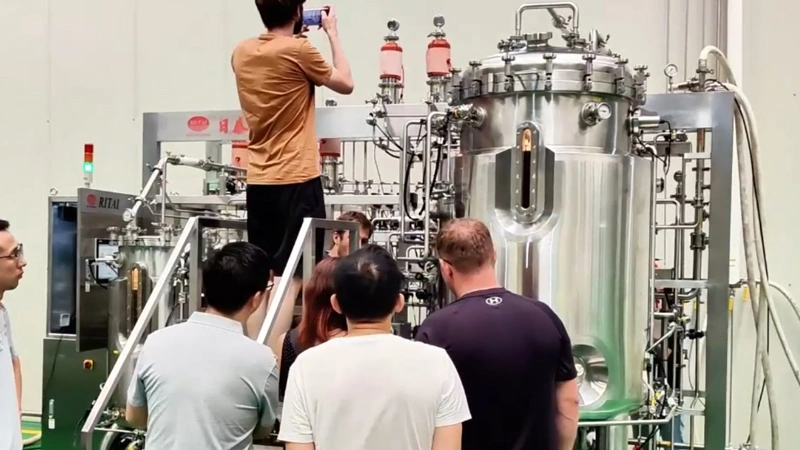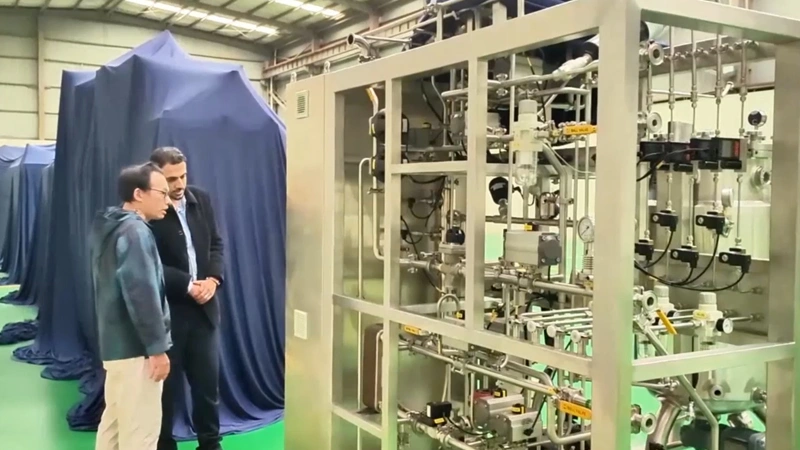
Biowaste inactivation system is mainly used in biopharmaceutical companies, laboratories, research institutes, and other units to treat the infectious wastewater and exhaust gas emitted during the production process. These wastewater and exhaust gases often contain live viruses and bacteria, posing significant hazards. They need to be sterilized and disinfected before being discharged into the next level of wastewater treatment system.
At RITAI, our biowaste inactivation systems are available in a range of sizes and configurations, drawing on our extensive experience in skid-mounted systems and the benefits of stainless steel tank and vessel processing. Additionally, our biowaste inactivation systems can be seamlessly integrated with various other bioprocessing equipment to create a comprehensive bioprocessing system, ultimately saving customers time and money. As our stainless steel bioprocessing equipment is designed and manufactured in-house as a single, integrated system, it eliminates the compatibility, interface, communication, and service issues often associated with using multiple skids from multiple suppliers. Reducing of on-site installation requirements and labor helps cutting costs.
-
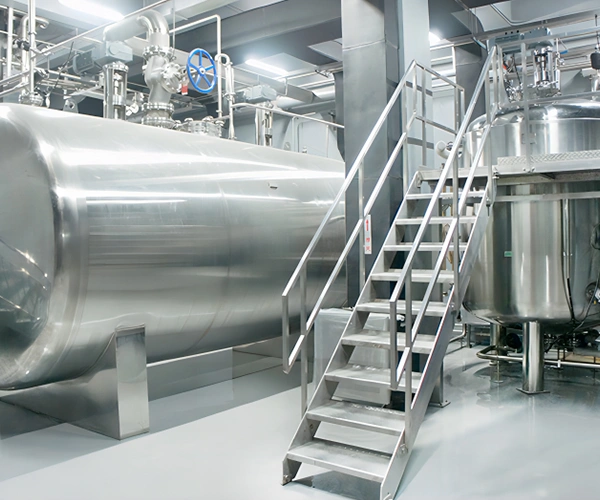
- Effluent Decontamination System
Biological waste produced by biopharmaceutical manufacturing typically contains pathogenic microorganisms, such as pathogenic bacteria and viruses, which pose significant hazards to human health. It is necessary for this wastewater to undergo disinfection and sterilization in order to kill the pathogens before being discharged into the sewage treatment system.
Effluent decontamination system key features
- Complete inactivation: allows for inactivation sampling verification to guarantee high safety of biological inactivation.
- Intelligent management system: offers unattended operation, and various contingency plans to ensure high reliability of the biological inactivation system.
- Visualize biological sterilization data and progress.
- Heat recovery device: allows recycling.
-
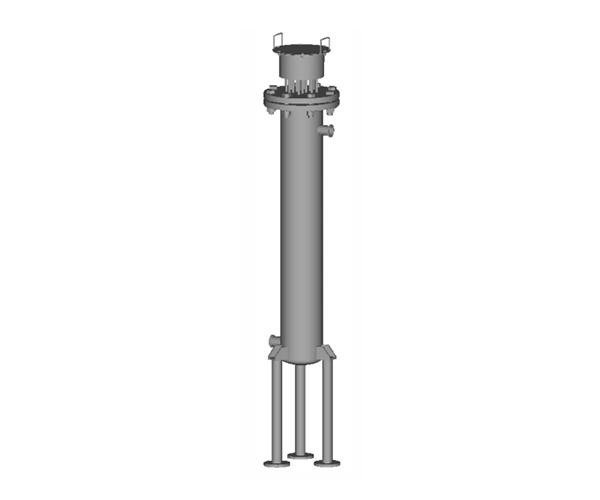
- Tail Gas Inactivation System
In the production of biopharmaceuticals, the generation of waste gases containing potentially pathogenic bacteria and viruses poses significant hazards. These gases must undergo disinfection and sterilization treatment to eliminate the pathogens before being released into the atmosphere. Therefore, a waste gas treatment system is necessary for the inactivation treatment of these gases.
Tail gas inactivation system key features
- 100% sterile
- Automatic temperature control
- The tail gas inactivation system remains completely sealed throughout the process, free from contamination.
- Intelligent temperature control and alarm functions
- High temperature up to 300°C-800°C.
- Complies with the safety requirements for biological experiments.
-
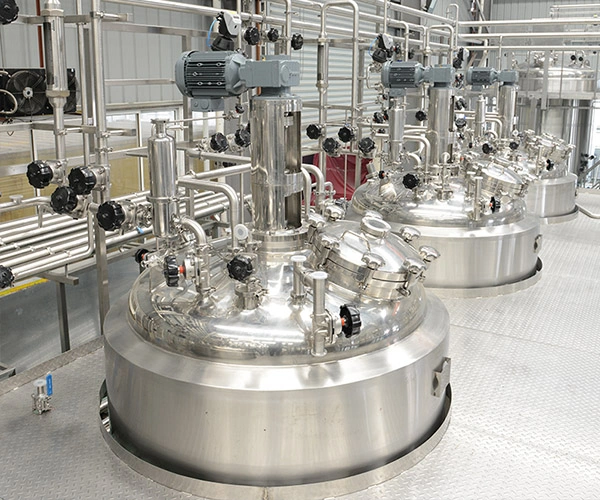
- Alkaline Hydrolysis Tissue Digester
Alkaline hydrolysis treatment technology is an emerging and environmentally friendly process used for safely disposing of animal tissues. It utilizes alkaline substances like sodium hydroxide or potassium hydroxide to catalyze the hydrolysis of animal tissues under high temperature and pressure conditions, effectively inactivating pathogenic microorganisms. The end result is a sterile solution of solid residues, waste liquid, and harmless gases, ensuring a thorough and harmless treatment of the animal tissues.
Alkaline hydrolysis tissue digester key features
- A clean technology: environmentally friendly compared with traditional inactivation processes
- High biological safety
- Strong sterilization capability
- An easy solution: easy and safe to use
- Low treatment cost